Fence Companies Melbourne: UV and Corrosion-Resistant Products
Melbourne fences take a larger beating than most people anticipate. It is not simply the rainfall, although we get lots of that. It is the mix of sun, wind, wetness sitting in the wrong places, and for some suburban areas, salty air that trips in from the coastline and remains. In time, that mix can make a "perfectly set up" fencing appearance tired, unequal, or unsafe.
If you have ever before run your hand along a fence rail and really felt milky residue externally, or observed paint bubbling around a screw head, you currently recognize the genuine problem. Fencings fail in the information: the layer, the bolts, the way water drains pipes, and how UV communicates with plastic or paint. The good news is that you can create around those failings with the appropriate products and reasonable installation.
Below is just how I think about UV and deterioration resistance when choosing fencings and hardware in Melbourne, plus what to ask when you contact Fence companies Melbourne.
What Melbourne problems do to fence materials
UV damage and deterioration do not behave like separated bad guys. They team up.
Sunlight drives surface area degradation. Wetness then locates its method into small voids, around correctings, and along sides where coverings are slim or imperfect. When you get constant wetting complied with by drying, you also speed up reactions that raise finishes, produce rust flowers, or speed up breaking in plastics.
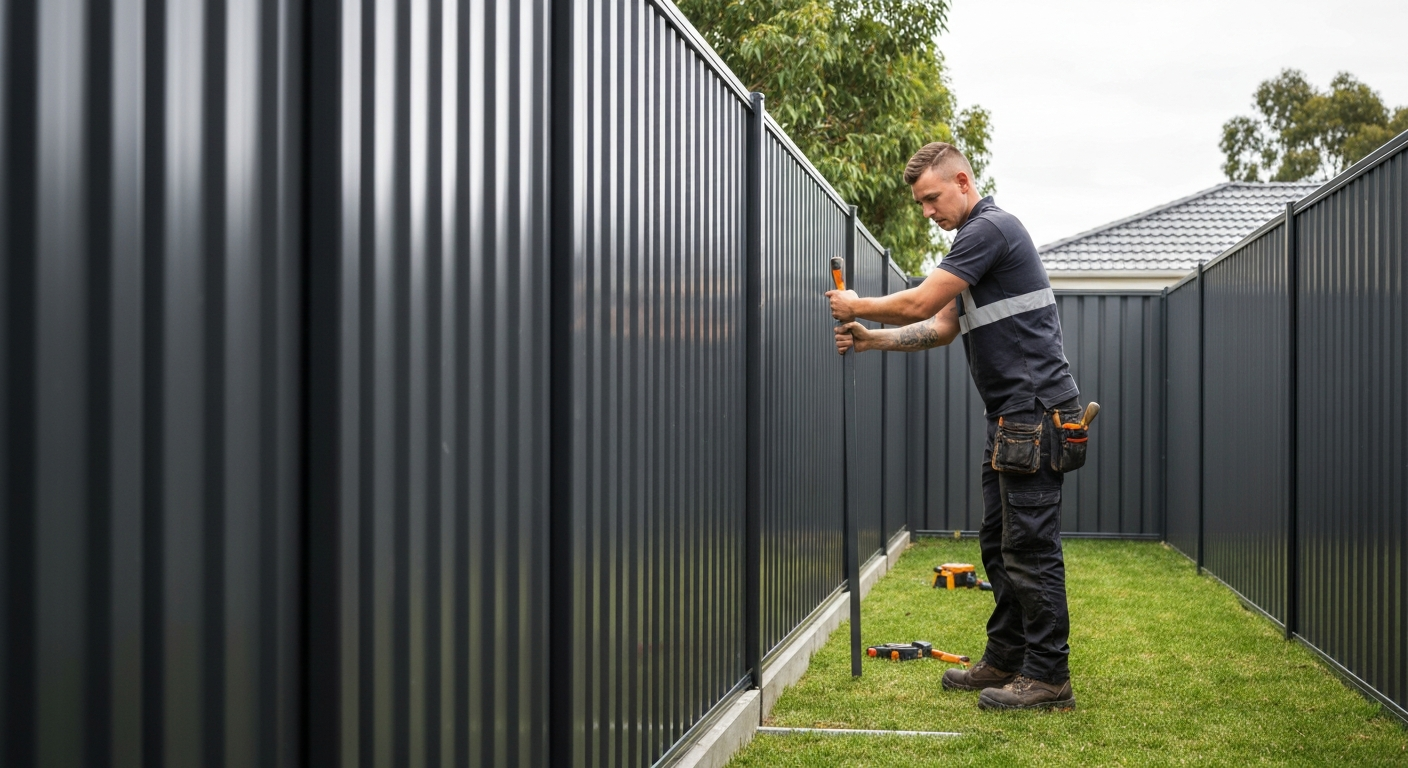
On top of that, Melbourne websites vary extremely. A fence in a sheltered backyard under a roofline can last really differently to one on a revealed edge that catches dominating winds and fine spray. Sites near the bay also transform the formula because salt speeds corrosion, especially on steel.
I have seen 2 fencings set up at the very same time, both "powder coated," and one looks visibly better after a few periods simply due to the fact that it is not taking straight sun or seaside spray. That is why material option and positioning issue together.
UV resistance: what goes wrong and just how to spot it early
When individuals speak about UV resistance, they often suggest "will it fade?" That becomes part of it, yet UV does more than adjustment colour.
The common UV failure modes
- Powder coat or paint chalking and colour fade. The surface area sheds its tight polymer framework and begins looking boring. Often it really feels rough to touch.
- Cracking and brittleness in plastics. UV can degrade specific plastics with time, especially if they are not made for exterior direct exposure or if they are thin.
- Seal malfunction at joins. Even when the major panel endures, the junctions, top caps, and sides are usually the weak points. If water can sit against an exposed joint, the material might weaken faster.
A dead giveaway is consistent fading that appears "typical," versus patchy failure around correctings and edges. Uniform fading recommends the finishing is taking UV but remaining intact. Uneven problems around screws or staples often point to layer thin areas, bad coverage, or water pooling.
UV resistant is not the like UV "unyielding"
No surface stops UV forever. What you desire is a coating that maintains framework and attachment over years, not months. That normally implies an exterior-grade finishing system, appropriately prepared steel (or properly created alloy), and finishings applied to the complete profile of the fence components.
If somebody tells you "it will never discolor," I deal with that as advertising and marketing. I am more thinking about what the system is developed to resist, and what upkeep you can realistically do.
Corrosion: the courses water and salts take
Corrosion is primarily an electrochemical tale with moisture as the messenger. In Melbourne, the carrier is simple to discover: rainfall, moisture, and dew.
Where corrosion begins on fences
The most typical starting factors are hardly ever the center of a panel. They are the locations that catch water:
- Cuts, drilled holes, and scratches. Even a small subjected area can end up being the "launch pad" for rust or covering breakdown.
- Fastener interfaces. If a screw head area is not secured or the steel combination is incorrect, you can get increased corrosion.
- Overlapping joints and flat ledges. Water rests, after that focuses salts as it evaporates.
The galvanic problem people underestimate
Different metals can corrode faster when they are in contact in the visibility of moisture. For instance, aluminium and particular steel combinations can create a situation where one product comes to be the anode and degrades faster. It is not always remarkable, but it can be sufficient to shorten lifespan around repairings and brackets.
This is why "excellent coating" is not the entire tale. Hardware and exactly how it is assembled matters equally as much.
Materials that stand up in UV and harsh conditions
There is no solitary champion for every Melbourne website. The appropriate choice depends upon exactly how revealed your fence is, just how close it is to the coastline, your aesthetic goals, and your allocate ahead of time versus maintenance.
Powder-coated steel: strong, however detail-driven
Powder-coated steel can be an outstanding choice because it uses considerable strength and good appearance retention when the covering system is reputable.
Where steel sheds ground is generally in:
- damage during installation,
- poor preparation of surfaces,
- and covering thinning around cuts or drilled holes.
On a job near a subjected boundary, I have actually enjoyed small chips at the bottom rail location end up being the very first rust "blossom" points. The rest of the fencing looked penalty for several years. When deterioration begins with chips, it can spread under the finishing if moisture can obtain under the film.
If you choose powder-coated steel, prioritize systems that: 1) have durable preparation and finishing thickness proper for outside exposure, and
2) have a practical strategy to touch-ups or fixing when unpreventable scrapes happen.Galvanised steel: rust immune, but not UV-proof
Hot-dip galvanised steel is developed to deal with corrosion because it has sacrificial protection. It is often a solid base for exterior fence, especially where wetness is frequent.
The restriction is cosmetic and UV-related wear. Zinc coatings can dull with time, and any kind of leading paint or powder layer above galvanised steel becomes the UV combat zone. If you go galvanised without an excellent quality exterior coating, anticipate appearance changes sooner.
A galvanised fencing can still look wonderful, it just depends upon the design and finish expectations.
Aluminium: usually a safer bet for rust resistance
Aluminium fencings are normally a lot more corrosion immune in normal country problems. They usually do not rust similarly steel does. In seaside areas, aluminium can still corrode, yet it usually acts differently, and the danger is often a lot more regarding surface area oxidation and matching if water and salts persist.
From a UV perspective, aluminium fencings can be excellent when the covering is developed for outside usage. Powder layer on aluminium has a tendency to perform well, but you still require appropriate prep and proper finish protection around edges and dealing with points.
The trade-off is price. Aluminium usually sets you back extra in advance, but it can minimize continuous maintenance and concern, particularly where deterioration risk is higher.
Timber: resilient if engineered correctly, at risk if not
Timber can be attractive and can feel warmer than steel. The catch is that timber is not a "UV immune material" in the same way layered steels are. UV drives surface area breakdown, greying, and checking. However, appropriately treated timber, sealed surfaces, and good maintenance can keep it eye-catching for a lengthy time.
The huge upkeep fact is that lumber systems request for attention. If you desire a low maintenance fence, lumber is hardly ever the very best fit unless you are prepared to treat, seal, and inspect.
PVC or plastic: UV can be the restricting factor
Some fencings make use of PVC or vinyl elements because they can resist wetness and do not rust. But UV exposure can still deteriorate plastics, especially if the material is not developed for exterior exposure or if colour stability is weak.
In Melbourne sunlight, I tend to look very closely at:
- colour stability claims,
- how the item takes care of long-lasting UV,
- and what occurs at joins where parts meet and dust holds moisture.
If you select vinyl, choice exterior-rated products and expect that long life-spans depend heavily on formulation quality.
Stainless steel: exceptional, yet pricey and information matters
Stainless steel hardware and parts are extremely corrosion immune. For fence tops, braces, joints, and correctings, stainless can be a solid selection, specifically in seaside zones or where salt spray is present.
The trade-off is rate. Lots of people do not need stainless for every component, yet it can be worth spending for in the locations that matter, like gate joints and any kind of equipment that stays wet.
Coatings and coatings: the "undetectable" protection layer
When you are choosing between 2 fence looks that look comparable from the road, the finishings and surface system typically do the hefty lifting.
A high quality exterior covering is not just about colour. It is about attachment, flexibility, chip resistance, and just how it takes care of duplicated moistening. A coating can look wonderful on the first day and fail early if it is breakable or inadequately bonded.
If you are contrasting fencing options, ask more than "is it powder coated?" Ask:
- Is it powder layered or repainted, and what is the designated exterior rating?
- Is the finish applied to all parts, including edges and fixings areas?
- How are reduced factors and drilled holes handled throughout installation?
Coatings can be repairable, however you need to do repairs early. A small exposed area today can end up being a bigger problem if water gets under it and maintains feeding the reaction.
Hardware and repairings: where corrosion really slips in
Most "UV and deterioration failures" I see returned to repairings and interfaces.
Here is what I try to find when assessing a fence system:
- Proper bolt material for the environment. Galvanised or stainless where ideal, and compatible with the primary frame material.
- Good seal around penetrations. If the style enables water to rest against unsealed fixings, deterioration can begin fast.
- Avoiding combined metal contact where it is avoidable. It is not always feasible, yet a good installer plans for it.
- Secure, right fastening. Loosened equipment suggests movement. Movement indicates finishing abrasion, subjected spots, and much faster degradation.
If you have an entrance, pay additional attention. Gates swing, spin, and catch spray. The joints and brackets take the impact, which is where corrosion and UV wear usually turn up first.
A useful "the first day" check
When a fencing is installed, take a slow-moving stroll and consider the fence bottoms, the message bases, and any kind of locations where the covering is disrupted by exploration. A fencing can be strong structurally and still fall short cosmetically if those tiny locations are not handled well.
Design choices that improve UV and corrosion performance
Even the best products can fall short if the design permits water to pool or catches dust and wetness against surfaces.
Drainage and water management
If a fence layout creates flat ledges that catch runoff, you develop a regular wetting cycle. That is when rust accelerates. Great layout encourages drying and lowers entraped water.
Also, message bases matter. If a blog post base traps soil and wetness, corrosion risk climbs up for the connection area. Correct setup implies the message base is located and secured with an eye to drainage and long-lasting stability.
Panel spacing and airflow
In some rural fences, panels are also tight. Dirt and natural particles can stay versus the surface much longer. That can hold dampness and create a microclimate that pushes deterioration and staining.
Spacing that permits drying aids even when materials are leading quality.
Caps and revealed tops
Top caps lower water access right into structural participants. They are specifically helpful for hollow sections and any rails that can collect moisture.
If you see a fence design without caps where the style expects water collection, that can be a red flag in Melbourne's rain.
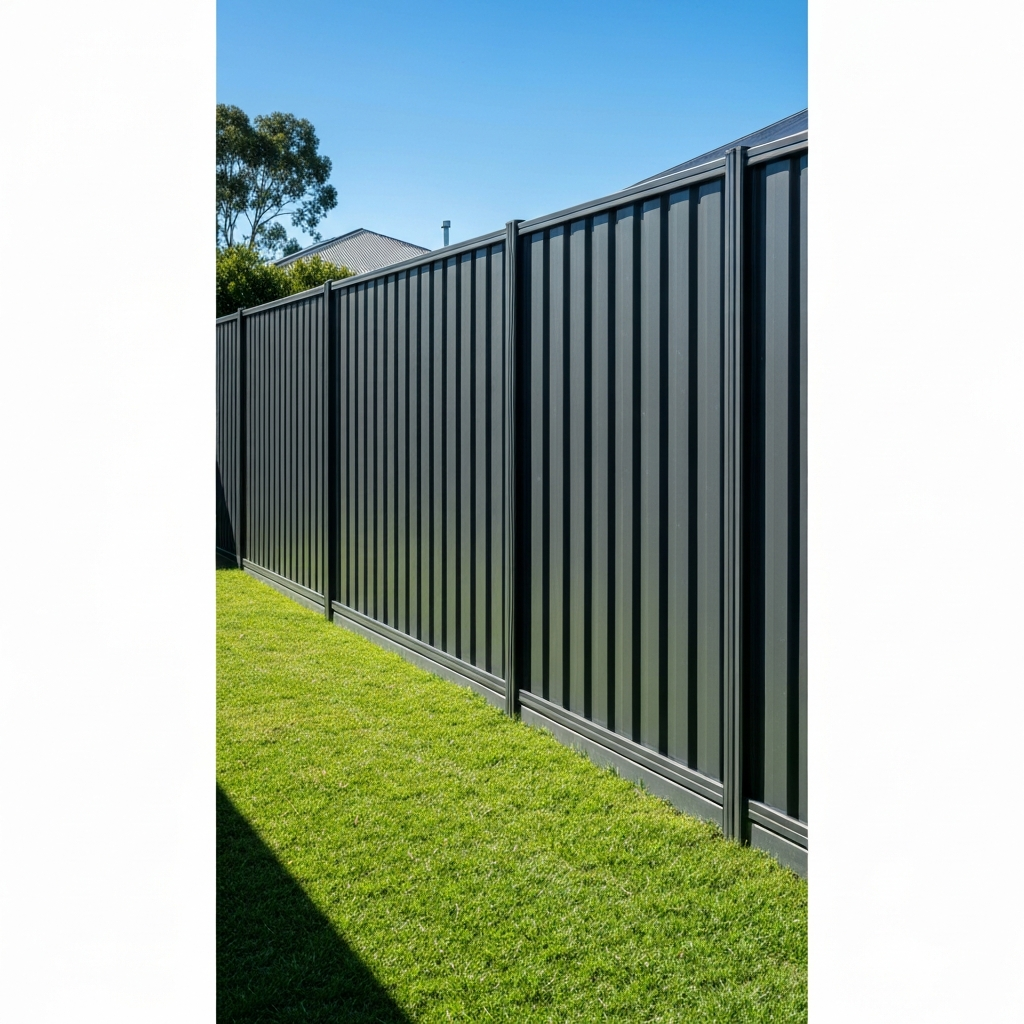
Choosing Fence companies Melbourne: inquiries that actually matter
You can acquire the right materials, but installation quality makes a decision the length of time the fencing remains intact. A great fencing business does not deal with installation as "just bolting points with each other." They plan for layer security, equipment compatibility, and exactly how water will behave at joints.
When you speak with Fence companies Melbourne, I recommend concentrating on a couple of useful questions. You will learn more in these answers than in elegant brochures.
- What finish system is used and on which components? Ask whether it covers posts, rails, and any kind of pre-drilled or cut areas.
- How do they take care of scrapes or damage during install? A reasonable procedure matters greater than ideal conditions.
- What equipment is used, and why? Pay attention for compatibility of metals and sealing around penetrations.
- How will the articles be installed for drainage and long-lasting stability? Article base and footing approach modifications outcomes.
- Do they supply an upkeep or repair service plan? The very best firms explain what little repair work resemble prior to issues spread.
If a specialist evades these information, or the solutions are vague, I take that as an indication to maintain looking.
A fast narrative from the field
On one coastal-adjacent work, the fence looked beautiful for some time, after that tiny locations near the base began to plain and place. The panels were great, but the difficulty factors were linked to the connection zone. The solution was not a cosmetic repaint just. It included addressing exactly how water spoke to the hardware and ensuring fixings were used correctly to damage the deterioration cycle.
That experience stuck to me because it altered how I assess fences. I do not simply take a look at the colour. I look at where dampness can linger.
Maintenance: maintaining UV and corrosion damage small
Maintenance is not about constant painting each year. It is about catching the very early indications before a finish failure becomes structural corrosion.
A reasonable maintenance rhythm for lots of fences is wood fencing cost seasonal inspection, plus punctual place treatment after storms that cause influences. If your fencing is exposed, inspection in summertime and after hefty rainfall periods is a clever habit.
What to do when you spot issues
If you see tiny chips, scrapes, or finishing lift around correctings, treat them early. Clean the area, completely dry it properly, and repair with an exterior-appropriate touch-up method suggested for that finish system. If deterioration is already active on steel, you might need surface prep work prior to repainting, or else it will certainly maintain spreading out under the finish.
For hardwood, you are checking out surface area monitoring and peeling. For vinyl or PVC, seek brittleness, surface area liquid chalking, or tension breaking near joins.
The objective is to keep dampness from having a long run at the underlying material.
Material referrals by scenario
Because Melbourne websites vary, here is how I normally guide choices based upon exposure.
- If you desire a low-maintenance look and you remain in a revealed or seaside location, aluminium with a top quality exterior powder layer is usually a strong fit, and so are well-finished layered steel systems where the install is careful.
- If you get on an inland website with modest direct exposure and you are fine with a bit of routine upkeep, particular wood finishes can work well, but plan for UV surface wear and re-treatment.
- If you are making use of plastics, deal with UV resistance as a vital spec, not an afterthought, and take note of equipment and joins.
The "finest" choice is the one that matches your resistance for maintenance, which straightens with the rust risk of your particular boundary.
The bottom line on UV and corrosion-resistant fences in Melbourne
UV and corrosion are not separate troubles in Melbourne. Sunlight compromises surfaces, moisture and salts find voids, and correctings come to be the weak points that start the cycle. That is why the best fencing systems integrate exterior-rated finishings, compatible hardware, and reasonable layout that aids water drain and surface areas dry.
When you are choosing Fence companies Melbourne, I suggest you ask about the coating system across the whole assembly, how they shield sides and mendings, and exactly how they plan for repair services if something gets broken throughout installment. You will feel the difference in exactly how confident they are responding to those concerns, and in exactly how the fencing looks and holds up years later.
If you inform me your suburban area or describe whether you are near the coastline, plus the fencing design you such as, I can assist you narrow down which products often tend to be most reputable for your conditions and what information to confirm before you sign.